









Total Loss Absorbing Capacity (TLAC) refers to an internationally recognized standard whose purpose TLAC is to ensure that Global Systemically Important Banks (G-SIBs) possess adequate equity and debt instruments, including bail-in debt, to effectively transfer losses to investors and minimize the need for government bailouts.
TLAC comprises various debt instruments, including unsecured debt instruments and covered debt instruments. Banking organizations issue these instruments, which are crucial to their regulatory capital. TLAC requirements apply to G-SIBs and certain bank holding companies.
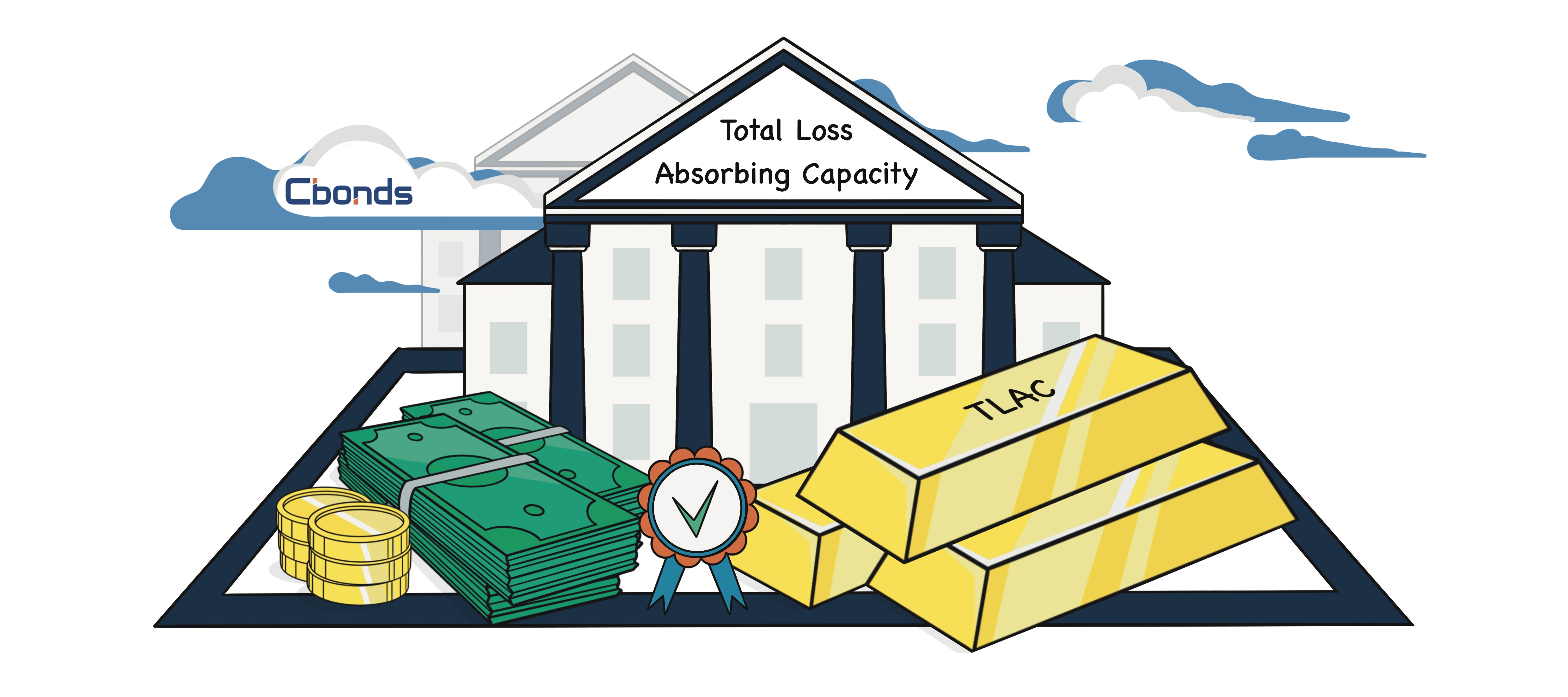
TLAC (Total Loss-Absorbing Capacity) requirements are regulatory standards established by the Financial Stability Board (FSB) to ensure that globally systemic banks have sufficient resources to absorb losses during a financial crisis. TLAC requires these banks to maintain a minimum amount of eligible liabilities that can be used to recapitalize the institution in case of failure, thereby reducing the need for government bailouts and protecting taxpayers. These requirements aim to enhance the resiliency and stability of the global banking system by promoting the ability of banks to absorb losses and continue operating in stressed conditions.
Starting from 1 January 2019, Global Systemically Important Banks (G-SIBs) became subject to the initial requirements of Total Loss Absorbing Capacity (TLAC), which were subsequently revised by the Financial Stability Board (FSB) on 1 January 2022.
As of now, the following requirements are in place:
TLAC must amount to at least 18% of risk-weighted assets (RWA).
Additionally, TLAC must be equal to at least 6.75% of the leverage ratio.
However, regulators hold the authority to increase these minimum requirements if they deem it necessary to safeguard the financial stability and liquidity of the system. It’s important to note that TLAC does not override the requirements set forth by Basel III, which must be equally adhered to. According to FSB guidelines, TLAC should consist of a minimum of 67% equity and at least 33% debt instruments.
The eligible securities that banks can include in their TLAC holdings encompass subordinated debt, shares, senior debt securities, and any unsecured liabilities with a maturity of at least one year.
The Risk-based TLAC (Total Loss-Absorbing Capacity) ratio is a regulatory measure that assesses the adequacy of a bank’s TLAC requirements based on its risk profile. It is calculated by dividing a bank’s TLAC resources (consisting of eligible liabilities and regulatory capital) by its risk-weighted assets, which take into account the credit risk, market risk, and operational risk of the bank’s assets. The Risk-based TLAC ratio helps determine if a bank has sufficient loss-absorbing capacity relative to the risks it faces. It provides a more risk-sensitive approach to ensuring the resilience of globally systemic banks and mitigating the potential impact of their failure on the financial system.
The Office of the Superintendent of Financial Institutions (OSFI) will primarily rely on the risk-based TLAC ratio to evaluate the Total Loss Absorbing Capacity (TLAC) of a Domestic Systemically Important Bank (D-SIB). This ratio takes into account the specific risks encountered by the institution, providing a targeted assessment of its TLAC adequacy. Additionally, the TLAC Leverage Ratio will serve as a comprehensive indicator of the D-SIB’s overall TLAC strength, offering a broader perspective on its capacity to absorb losses.
Loss Absorption. TLAC is designed to enhance the capacity of banks, particularly Global Systemically Important Banks (G-SIBs), to absorb losses in times of financial distress. It ensures that these banks have sufficient unsecured debt instruments issued and total loss-absorbing capital to cover potential losses. Federal bank regulatory agencies, such as the Federal Reserve Board and the Basel Committee on Banking Supervision, oversee this requirement.
Promoting Financial Stability. TLAC requirements are put in place to promote overall financial stability and mitigate systemic risks. By having a minimum TLAC amount, banks can better withstand shocks and maintain sufficient capital buffers to protect against potential losses. This helps safeguard the financial system’s stability and prevents the risks associated with unconsolidated financial institutions and too-big-to-fail entities.
Facilitating Orderly Resolution. TLAC plays a crucial role in facilitating the orderly resolution of banks in case of failure. It ensures that banks have a recapitalization capacity to address their critical functions and meet the minimum TLAC requirements. This is essential for an effective and orderly resolution process overseen by regulatory agencies and the Federal Reserve System.
Regulatory Compliance. TLAC is used by regulatory authorities to assess and enforce compliance with TLAC requirements. Banks, including intermediate holding companies and bank holding companies, must adhere to minimum TLAC requirements set by regulatory agencies, including the Federal Reserve and the Basel Committee on Banking Supervision. Non-compliance with TLAC ratios and capital requirements can have significant consequences for banking organizations, affecting their operations, risk-weighted assets, and overall financial health.


Everything you need for fixed income research and monitoring.






 Bond Screener
 Hide
Hide 