|
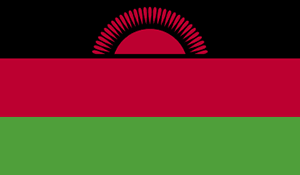
Malawi is a landlocked country in Southern Africa with Lilongwe as its capital. English is the official language, and Chichewa is the national language. The national currency is the Malawian kwacha (MWK). Agriculture accounts for a significant share of employment and export earnings, with tobacco, tea and sugar among the country's main agricultural exports. Other economic sectors include manufacturing, trade and services.
The Malawi bonds market consists primarily of domestic government debt securities. The Reserve Bank of Malawi (RBM) conducts auctions of Treasury bills with maturities of 91, 182 and 364 days, as well as Treasury notes with maturities ranging from 2 to 10 years. The government also issues development bonds to finance public investment and infrastructure projects.
A Malawi government bond is generally denominated in Malawian kwacha and issued to finance budget expenditure or refinance existing public debt. The government conducts both new issues and additional placements of existing securities. Market participants include commercial banks, pension funds, insurance companies and other institutional investors.
The Malawi Stock Exchange (MSE) operates a Debt Securities Market that provides listing and trading facilities for government and corporate debt securities. Investors can purchase Malawian bonds through primary market auctions or secondary market transactions. External public debt financing includes loans from bilateral and multilateral lenders.
Information on Malawi bonds, including issuance calendars, auction results, maturity dates, issue volumes and yields, is published by the Reserve Bank of Malawi. The Ministry of Finance provides statistics on domestic and external public debt, while the MSE publishes market prices for listed debt securities. The pricing and yields of Malawian government bonds are influenced by government borrowing requirements, agricultural export revenues, inflation, exchange rate movements, domestic liquidity and monetary policy.
|












 Bond Screener