









Explore the most comprehensive database
1 000 000
bonds
80 234
stocks
167 970
ETF & Funds
70 000
indices
Track your portfolio in the most efficient way

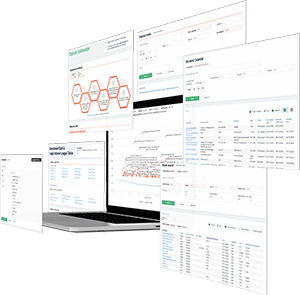

full data on over 900 000 bonds, 80 000 stocks, 116 000 ETF & Funds; powerful bond screener; over 350 pricing sources among stock exchanges & OTC market; ratings & financial reports; user-friendly interface; available anywhere via Website, Excel Add-in and Mobile app.
Register








 Bond Screener
Ukraine: C/A and trade openness as default determinants (SIDE-NOTE)
Geopolitical risk in the EM region provides significant upside risks, both for energy markets and other commodities group. Given the negative correlation between commodity prices and CDS on Ukrainian sovereign debt, we expect this may, ceteris paribus, restrain the spread at least in the short-term period. The natural interpretation is that when commodity prices are high, commodity exporters are more likely to repay their external debt, which reduces the yield spread they face in international capital markets. The intuitive sense as to why this measure is relevant for the pricing of debt becomes apparent when one considers a steel-exporting country. The country generates dollar revenue by exporting steel and spends dollars on imports. If the price of steel rises, the country is in a better position to generate export revenue and repay its dollar-denominated liabilities.
Bondholders, however, care not only about recent changes in the terms of trade, but also about the risk of a large adverse shock in the future – perhaps, a large decline in the price of steel, as in our example. As a result, the volatility of terms of trade must be positively correlated with spreads. The case with Ukraine is about both openness and volatility...