









Explore the most comprehensive database
1 000 000
bonds
80 234
stocks
167 970
ETF & Funds
70 000
indices
Track your portfolio in the most efficient way

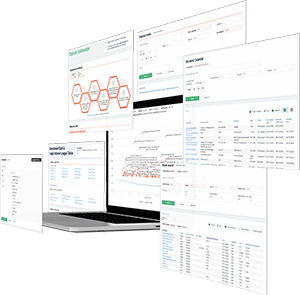

full data on over 900 000 bonds, 80 000 stocks, 116 000 ETF & Funds; powerful bond screener; over 350 pricing sources among stock exchanges & OTC market; ratings & financial reports; user-friendly interface; available anywhere via Website, Excel Add-in and Mobile app.
Register








 Bond Screener
EMEA Daily Update
Hungary (=)
NBH cut its benchmark rate by slightly more than expected 15bp to 1.35% at yesterday's meeting vs. consensus expectation of 1.4%; with this cut, the council concluded the easing cycle which has been in place for the past 5 months. The statement highlighted uncertain global conditions and, hence, the need to turn cautious about further easing; although at the same time emphasising that loose monetary conditions would be maintained for an extended period. During his remarks, Gov Matolcsy was confident about rates staying flat for a long time, but he did not provide specific guidance on where the interest rate level will be once NBH has switched over to the new 3m deposit rate. This level will be crucial because Hungarian rates have now become low, and perceived rate differentials will have impact on asset performance -- in our view, the inflation rate in Hungary is more unrepresentative than that in, say, Poland: sharper base-effects are at play, with underlying inflation being actually higher; this higher inflation rate will manifest in 2016. Going by the CB's own near-3% forecast for 2016 core inflation, forward-looking real interest rates work out to significantly negative; in contrast, Polish inflation will not accelerate to surpass Poland's 1.5% policy rate. We forecast EUR-PLN to remain sideways through next year, but we expect EUR-HUF to gradually rise to 320.00.
Turkey (=)
AKP and CHP made modest progress yesterday ahead of second-round coalition talks: AKP senior, Celik, and CHP spokesperson, Koc, held a meeting yesterday to discuss ‘coalition modalities’ ahead of formal second round negotiations. As a next step, delegations from both parties will hold their first meeting around the coming weekend. From initial developments, although they still can’t be excluded, it does seem like the smaller parties are dropping out of the reckoning, and the main scenarios now are AKP-CHP coalition or early-elections…
Imported inflation pressure accelerated through Jun: latest non-domestic PPI data (which showed imported inflation accelerating from 9.5% to 10.5%) confirm that the re-accelerating oil price and depreciating lira continued to take their toll, which points towards accelerating core inflation in the July data. While this is bad news, the sources of imported price pressure offer some hope for the months ahead: the oil price has since softened because of Iran developments, commodity prices have been plummeting because of China and the lira has been firmer. These effects are not strong enough to entirely reverse Turkey's inflation trend, but the spike of the past couple of months could, at least, be reversed if commodity price and lira trends were to endure for another quarter.