







Saudi Arabia Bonds, 1.86% 15sep2020, SAR (FIGI BBG00KD6RHL7, SA13SVK2HL27)
Domestic bonds
Domestic bonds
Cbonds consolidates global bond, stock, ETF and indices data into a single platform — so you can analyze faster, make informed investment decisions and outperform the market
Get accessBond parameters,
prospectuses
Analyze the data in the most efficient way
Current & historical quotes from 400+ stock exchanges & OTC market
Credit ratings, financial reports
Explore the most comprehensive database
1 000 000
bonds
80 234
stocks
175 910
ETF & Funds
70 000
indices
Track your portfolio in the most efficient way
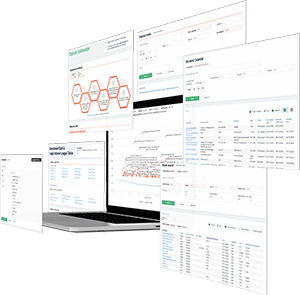
full data on over 900 000 bonds, 80 000 stocks, 116 000 ETF & Funds; powerful bond screener; over 350 pricing sources among stock exchanges & OTC market; ratings & financial reports; user-friendly interface; available anywhere via Website, Excel Add-in and Mobile app.
Register|
Saudi Arabia is the largest country in the Arabian Peninsula and one of the largest economies in the Middle East. The capital is Riyadh, the official language is Arabic, and the national currency is the Saudi ...
Saudi Arabia is the largest country in the Arabian Peninsula and one of the largest economies in the Middle East. The capital is Riyadh, the official language is Arabic, and the national currency is the Saudi riyal (SAR). The economy has traditionally been based on oil and gas, but Vision 2030 supports diversification through infrastructure, tourism, mining, logistics, manufacturing, technology, and financial market development.
The Saudi Arabia bonds market is represented by government sukuk, sovereign bonds, corporate sukuk, bank instruments, and international debt securities. A key feature of the market is the strong role of Islamic finance, as sukuk instruments are widely used by the government, financial institutions, and large corporations. Debt securities are listed and traded through the Saudi Exchange, while institutional activity also takes place through over-the-counter channels. The Saudi Arabia government bond market is managed by the National Debt Management Center under the Ministry of Finance. The government issues domestic sukuk denominated in Saudi riyals, as well as international bonds and sukuk to diversify funding sources and support budget financing. Issuance programs help develop the local yield curve and provide benchmark instruments for the domestic fixed-income market. Saudi Arabian government bonds and sukuk are held by banks, investment funds, pension institutions, insurance companies, and international investors seeking exposure to the Kingdom's credit profile. The market has expanded as the government continues to build a deeper debt market, improve liquidity, and attract a broader investor base. The corporate segment includes issuers from banking, energy, utilities, real estate, infrastructure, telecommunications, and government-related entities. Saudi Arabian bonds and sukuk are often used to finance large investment projects, refinancing needs, and economic diversification initiatives. Major issuers may access both the domestic market and international capital markets depending on funding conditions. For international investors, Saudi Arabia bonds offer exposure to a large Gulf economy with strong hydrocarbon revenues, expanding capital markets, and growing Islamic finance activity. The market remains sensitive to oil prices, fiscal policy, interest rates, SAR liquidity, sovereign credit ratings, and global demand for emerging-market and Gulf debt. |
|
|
|
|
|
|
|
|
Explore the most comprehensive database
1 000 000
bonds
80 234
stocks
175 910
ETF & Funds
70 000
indices
Track your portfolio in the most efficient way
full data on over 900 000 bonds, 80 000 stocks, 116 000 ETF & Funds; powerful bond screener; over 350 pricing sources among stock exchanges & OTC market; ratings & financial reports; user-friendly interface; available anywhere via Website, Excel Add-in and Mobile app.
Register