









Green bonds, at their core, are a specialized form of investment that focuses on supporting environmentally friendly initiatives. The green bond proceeds must be used for environmentally related projects, ranging from renewable energy and energy efficiency to clean transportation and pollution prevention.
Originating in the early 21st century, green bonds are sometimes synonymous with climate bonds, The Climate Bonds Initiative playing a pivotal role in setting standards and guidelines to encourage the issuance of bonds that specifically address climate change challenges.
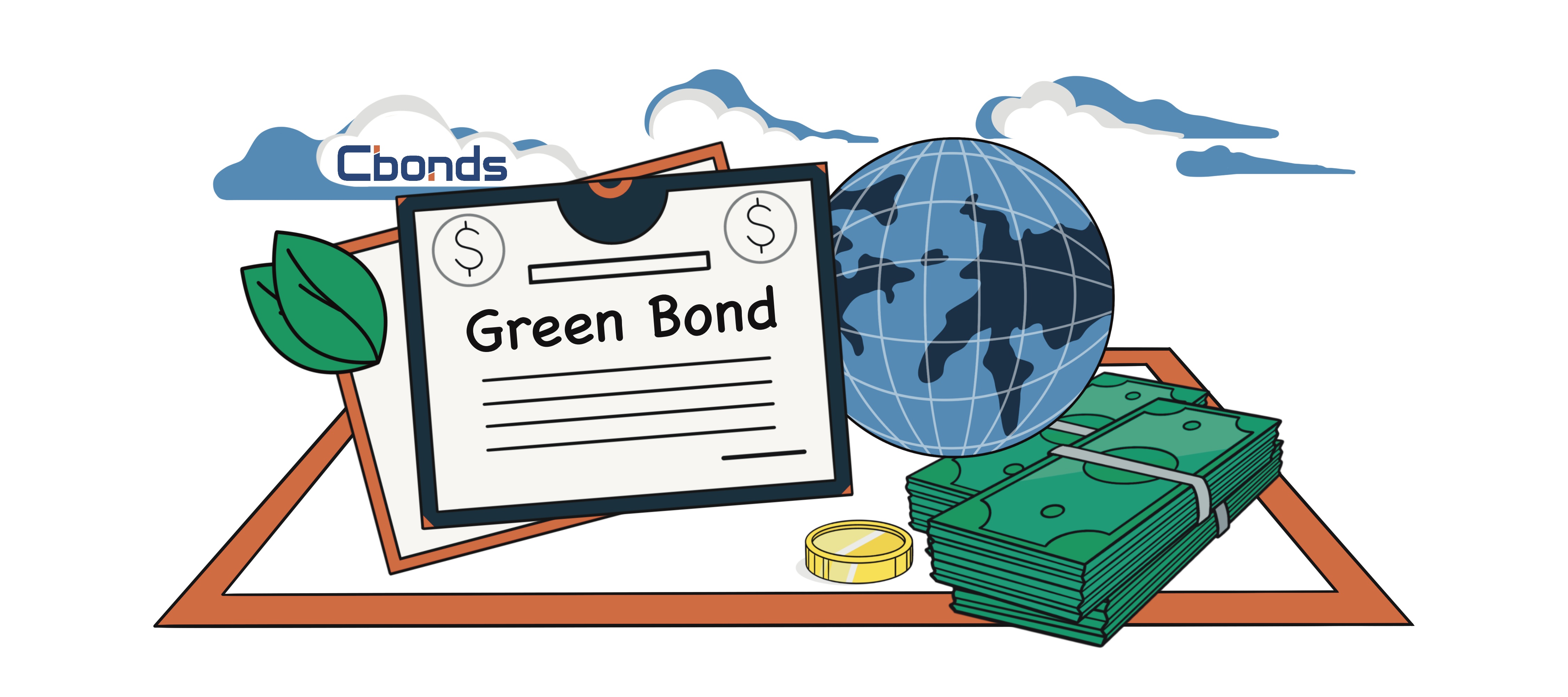
In the world of green bonds, issuers can include a diverse range of entities, from supranational organizations and development banks to local governments and private corporations. Noteworthy issuers include entities like the European Investment Bank (EIB) and the World Bank Group (WBG). Investors, both institutional and retail, are drawn to green bonds not only for potential financial returns but also for the opportunity to contribute to initiatives that address climate change and promote sustainable development. As the green bond market continues to grow, it offers a viable avenue for aligning investment portfolios with environmentally responsible endeavors.
Since the inception of the green bond market in 2007, it has undergone remarkable growth, reaching a significant milestone in early December 2020 with cumulative issuance surpassing USD 1 trillion. This exponential expansion is reflected in an average annual growth rate of approximately 95% over the 13 years since its inception. The journey began with the issuance of the inaugural green bond in 2007, marked by AAA-rated offerings from multilateral institutions such as the European Investment Bank (EIB) and the World Bank.
The market gained traction in 2014, and each subsequent year set record highs. Notable moments include the issuance of the first USD 1 billion green bond by IFC in March 2013, which sold out within an hour, signaling a turning point in the broader bond market. Corporate green bonds emerged with Vasakronan’s issuance in November 2013, a Swedish property company, paving the way for major corporate issuers like SNCF, Berlin Hyp, Apple, Engie, ICBC, and Credit Agricole. The green bond landscape expanded further with the introduction of green municipal bonds by Massachusetts in June 2013 and the issuance of the first Green City bond by Gothenburg in October 2013.
The momentum continued with the cumulative USD 100 billion mark reached by the end of 2015, demonstrating accelerated growth toward the trillion-dollar mark in the following five years. This milestone was complemented by reaching USD 100 billion in annual issuance in November 2017 during COP23 in Bonn, underscoring the mainstream acceptance of green bonds as a vital contributor to climate finance and the attainment of Paris Accord objectives. The green finance market also witnessed the flourishing of green debt instruments, including green loans and sukuk, originating from a record sixty-seven nations and multiple supranational institutions.
As for legal frame, The Green Bond Principles (GBP) are voluntary procedural guidelines designed to advocate for transparency and disclosure, fostering integrity in the evolution of the Green Bond market. They aim to provide clarity on the process of issuing a Green Bond, emphasizing the importance of transparent practices and disclosure mechanisms.
"Use of Proceeds" Bonds. These bonds are dedicated to financing green projects. In the event of liquidation, lenders have recourse to the issuer’s other assets. Despite this, these instruments maintain the same credit rating as the issuer’s other bonds.
"Use of Proceeds" Revenue Bonds or Asset-Backed Securities (ABS). Securities of this type may finance or refinance green projects. However, the collateral for the debt comes from revenue streams collected by the issuer, such as taxes or fees. State and municipal entities often opt for this setup when issuing green bonds.
Project Bonds. Limited to a specific underlying green project, investors in these bonds have recourse only to assets related to that project.
Securitization Bonds. These instruments involve a group of projects bundled into a single debt portfolio. Bondholders have recourse to the assets underlying the full set of projects, which can include green mortgages and solar leasing projects.
Covered Bonds. Financing a group of green projects known as the "covered pool," investors have recourse to the issuer. In case the issuer cannot make debt payments, bondholders gain recourse to the covered pool.
Loans. Financing for green projects may be secured or unsecured. Unsecured loans provide lenders with full recourse to the assets of the borrower, while secured loans offer recourse to the collateral and, in some cases, partial recourse to the borrower.
Green bonds, which fund environmentally sustainable projects, have been historically issued by a diverse range of entities. While supranationals and development banks have traditionally been the largest issuers, recent years have seen increased participation from corporate entities. Companies like Apple (e.g. Apple, 0.5% 15nov2031, EUR) have gained media attention for their green bond issuances, signaling a growing trend among non-financial corporations to contribute to sustainable financing.
For investors, gaining exposure to green bonds is not limited to institutional investors. Retail investors can indirectly invest through exchange-traded funds (ETFs) and mutual funds. Some examples include VanEck Investment Grade Floating Rate ETF (FLTR), iShares Floating Rate Bond ETF (FLOT), Invesco Global Clean Energy ETF (PBD), and Calvert Green Bond Fund (CGAFX), among others. These investment vehicles provide an avenue for individuals to align their investment portfolios with environmentally responsible initiatives.


Everything you need for fixed income research and monitoring.






 Bond Screener
 Hide
Hide 